
Loading...
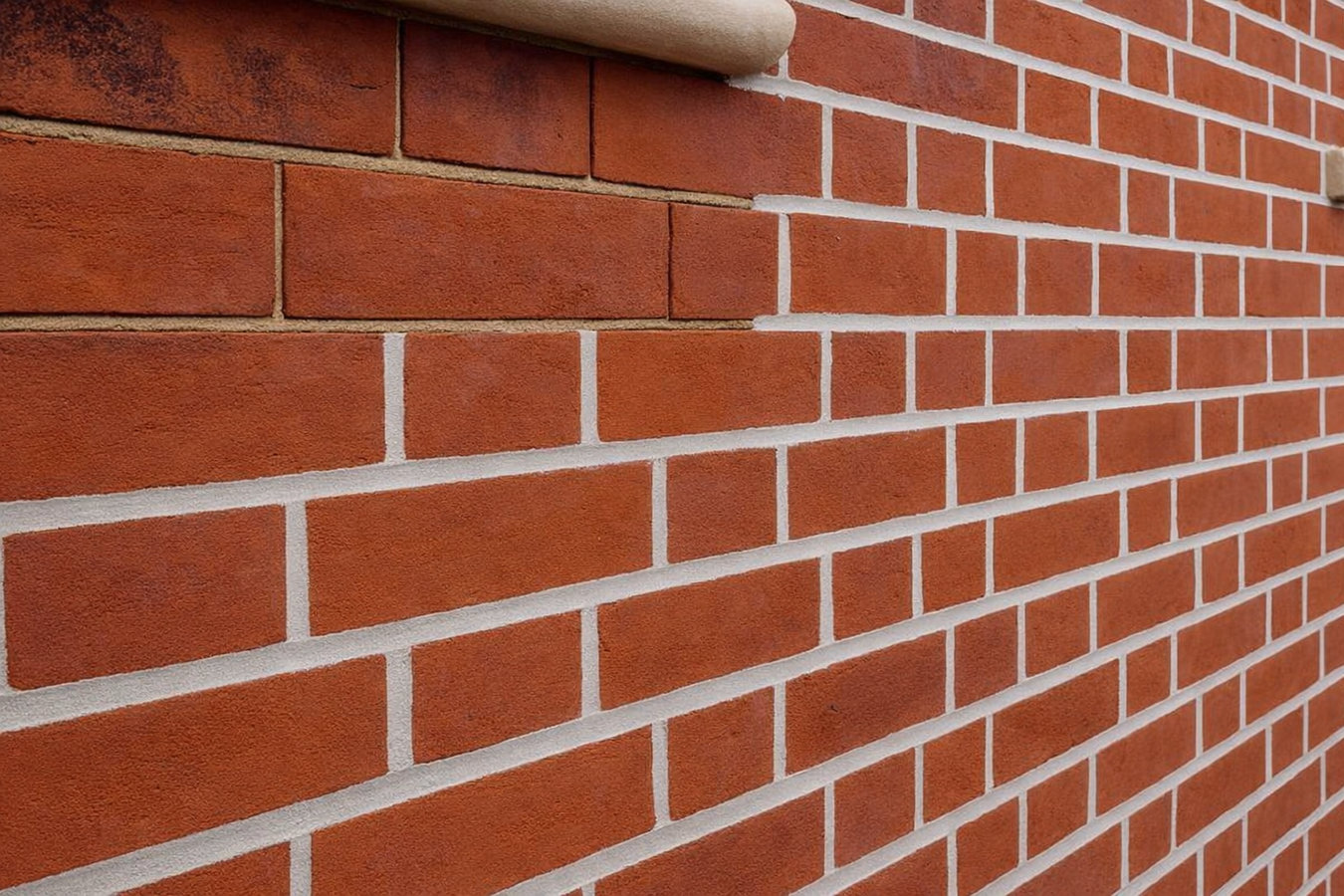
Open mortar joints are the main way water gets into a brick home. We grind out the failed mortar, pack in fresh material matched to your brick, and finish it so it holds up through Temple's clay soil movement and summer heat cycles.
Brick pointing in Temple, TX is the process of removing old, crumbling mortar from the joints between bricks and replacing it with fresh mortar matched to your specific brick type. Most pointing jobs on a single wall or chimney take one to two days; a full exterior on a larger home can take a week or more depending on how much old mortar needs to come out.
The mortar joints - those thin lines of material between each brick - are not just filler. They are the first line of defense keeping water out of your home. When they crack or fall out, water seeps behind the brick with every rain, which can damage wall framing, insulation, and interior finishes long before you notice anything from the inside. Temple's clay soil accelerates this process: the ground expands and contracts with every wet-dry cycle, putting constant stress on any brick wall without a deep footing underneath it. Homeowners whose homes need both joint repair and surface cleaning often address pointing as part of a broader foundation repair plan, or combine it with tuckpointing work on the same visit.
Older brick - common in Temple homes built before 1980 - is often softer and more porous than modern brick. Using a mortar that is too hard for that brick can actually crack the bricks themselves over time, because the mortar becomes stronger than the brick and forces stress into the wrong place. Matching the mortar to the brick is one of the most important steps in any pointing job, and it is one of the first things to ask any contractor about before hiring them.
Walk up close to your brick wall and look at the lines of mortar between the bricks. If you can see gaps, holes, or mortar that crumbles when you press it lightly with your finger, those joints have failed. This is the clearest sign that pointing work is overdue - and every additional wet-dry cycle in Temple's climate makes the damage worse.
Sometimes the mortar does not fall out entirely - it just separates from the brick on one or both sides, leaving a thin crack along the edge. That crack is enough for water to get in, especially during Temple's heavy spring rain events. This type of separation is common on walls that get a lot of afternoon sun, where heat stress is highest.
A white, chalky residue on your brick after it rains is called efflorescence. It is mineral salt being carried out of the wall by water moving through it - a reliable sign that water is getting inside the wall through failing mortar joints. In Temple's clay-soil environment, this is especially common on walls facing north or east where moisture lingers longer.
Bell County's clay soils shrink significantly during dry summers and swell again after rain or a wet winter. If you noticed new cracks in your mortar joints after last summer's heat or after a winter freeze, that movement has likely opened up joints that were already marginal. A spring inspection - when the soil has stabilized - is a good habit for any Temple homeowner with a brick exterior.
We handle brick pointing on chimneys, exterior home walls, outdoor garden and retaining walls, and interior fireplace surrounds throughout Temple and Bell County. Every job starts with an honest assessment of which joints have actually failed - we do not recommend work that is not needed. For homeowners whose masonry needs go beyond joint repair, we often combine pointing work with foundation repair where soil movement has affected the structure underneath, or with tuckpointing on walls where the detail work requires a narrower finish.
Mortar color matching is part of every job. We take the time to get the color close to your existing joints so the finished repair blends in rather than looking like a patch. That matters whether you are planning to sell the home or simply want the exterior to look cared for. We work in the early morning during summer months and manage the curing process carefully so the new mortar sets the way it is supposed to - not rushed in the afternoon heat and failing in the next dry season.
For homeowners whose chimney mortar has cracked or crumbled - cleaned out and repacked before the next season puts more rain and freeze-thaw stress on it.
For brick homes where sections of the exterior show open joints or white staining - assessed wall by wall so work is focused where it is actually needed.
For outdoor brick walls that have been through Temple's clay soil cycles and need the mortar joints refreshed before water works its way into the structure.
For interior fireplaces and brick features where failing mortar joints are creating gaps, staining, or allowing smoke and moisture to move where they should not.
Temple sits on Bell County's heavy clay soil, which expands when it absorbs water and contracts when it dries. That movement is hard on any masonry structure and is one of the main reasons mortar joints in this area open up faster than homeowners expect. It is not a sign of poor original construction - it is just what Central Texas clay does year after year. The combination of that soil behavior with summer temperatures regularly above 95 degrees means mortar in Temple faces stress from two directions: the ground below pushing and shifting, and the heat above drying things out faster than ideal. A contractor who understands those local conditions handles the mix and the curing process differently than one who treats every market the same.
Temple's older neighborhoods add another layer of complexity. Homes built in established areas near downtown - many of them constructed between the 1940s and 1970s - have softer, more porous brick than what modern homes use. Matching mortar to that older brick requires an assessment, not just a standard mix. We do that work throughout Temple and in surrounding communities including Belton and Nolanville, where similar soil conditions and mid-century housing stock create the same set of masonry challenges.
We visit the property to walk the exterior, look at the joints up close, and ask you a few questions about when you first noticed the problem. This visit typically takes 20 to 30 minutes and is free. You will receive a written estimate that describes which walls or sections need work and what the repair involves. We respond within 1 business day of your call.
Before work begins, clear potted plants, outdoor furniture, and decorations from the area. If scaffolding is going up, let us know about any irrigation lines or buried utilities near the wall. You do not need to be home during the work, but being reachable by phone is helpful in case the crew finds additional damage once they open up the joints.
The crew grinds or chisels out the old mortar to the right depth - about three-quarters of an inch - without damaging the bricks. Joints are cleaned before fresh mortar is packed in layers and finished flush. In Temple's summer heat, we start early in the morning and may pause during the hottest afternoon hours to protect fresh mortar from drying too fast.
We clean any mortar residue off the brick face, remove equipment, and walk the completed work with you before leaving. Fresh mortar needs 24 to 48 hours before it can get wet, and up to a week to reach full strength. We tell you exactly what to avoid during that window - and in summer, we may recommend light misting of new joints to slow the cure and prevent cracking.
Free visit, no obligation. We will walk the exterior with you, show you what is failing and why, and give you a written estimate before we leave.
(254) 791-8302Using a mortar that is too hard for older brick - common in Temple homes built before 1980 - can crack the bricks themselves over time, because the mortar becomes stronger than the brick and forces stress into the wrong place. We assess your existing brick before mixing anything and choose a blend that is compatible. That step protects the masonry you already have, not just the joints we are replacing. Learn more from the Brick Industry Association, which publishes standards on mortar compatibility and pointing techniques.
Temple regularly sees temperatures above 95 degrees from June through September, and fresh mortar that dries too fast loses strength before it can set properly. We schedule early-morning starts in summer, shade fresh work where possible, and mist new joints during the curing window. That process is why our pointing work lasts decades rather than failing in the first hot season.
Patchy, mismatched mortar repairs are easy to spot and make a well-maintained home look neglected. We take the time to match the mortar color to your existing joints so the finished work blends rather than stands out. Whether you are planning to sell or just want the exterior to look its best, the result should be something that looks like it was always there.
We have done pointing work on brick homes throughout Temple's established neighborhoods - including older properties near downtown and mid-century ranch homes across Bell County. We can connect you with local homeowners willing to describe the experience and show you the finished work in person.
Brick pointing done correctly should last 20 to 30 years in Central Texas conditions. Every choice we make - mortar type, curing process, color matching - is specific to your brick and your climate, not a one-size-fits-all approach that looks fine on day one and fails by year five.
Address soil movement and structural settling that puts stress on your brick walls and mortar joints from the ground up.
Learn MoreDetailed mortar joint work on brick and stone that restores the original appearance and water-shedding profile of your masonry.
Learn MoreWith winter freeze cycles and summer heat both working against open joints, the best time to schedule pointing work is before the next hard season arrives.