
Loading...
Temple Concrete & Masonry has served Temple homeowners since 2017, handling foundation repair, brick work, retaining walls, and walkways with no hidden costs and a written estimate before we start.
Temple sits on Houston Black Clay that swells and shrinks year-round, and that movement is what cracks foundations across Bell County. We stabilize slab foundations and stop further movement before it reaches walls and doorframes. Learn more on our foundation repair page.
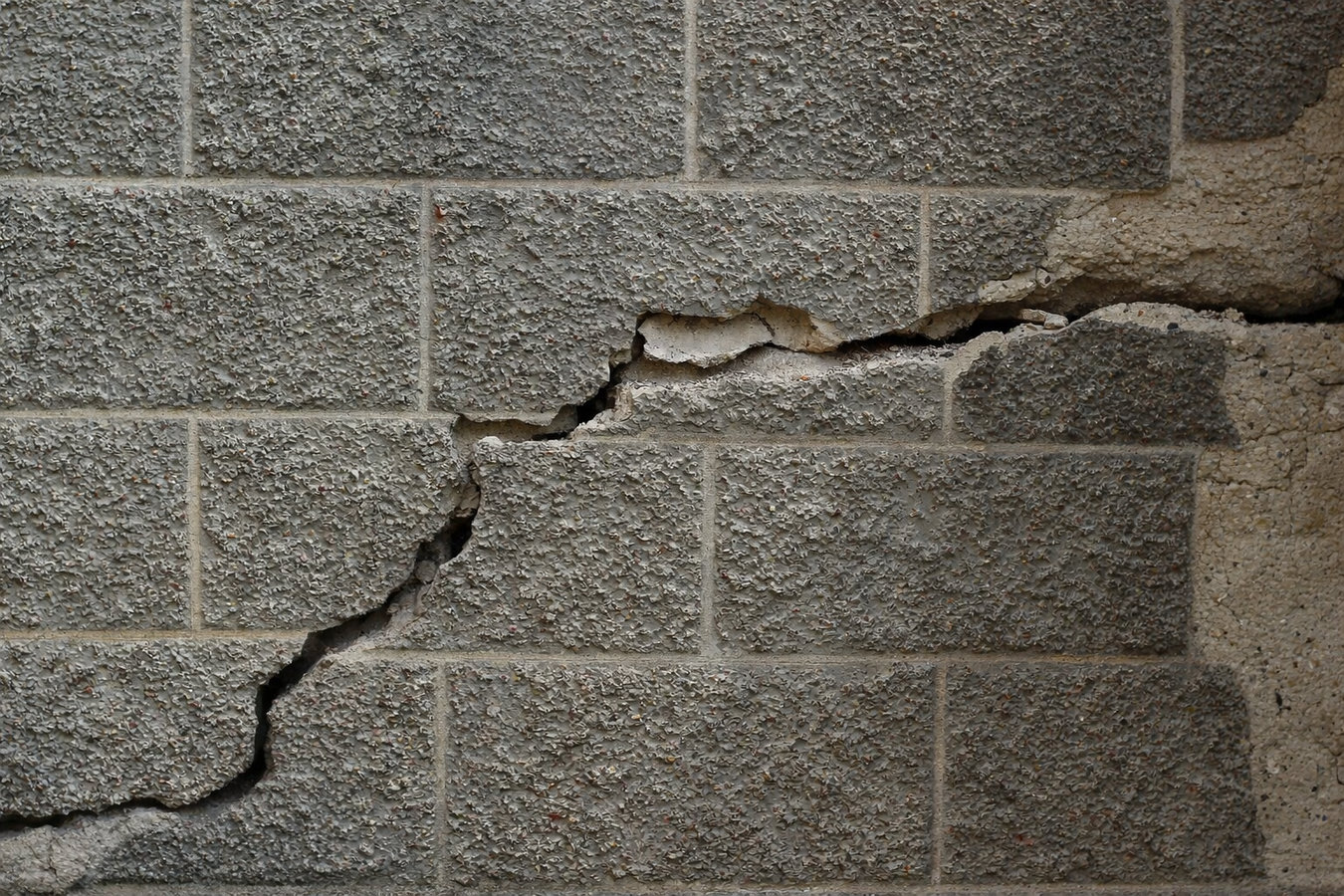
Mortar joints on Temple brick homes crack and erode faster than in cooler climates because of the heat and the soil movement beneath the structure. Repointing those joints early keeps water out of the wall cavity and extends the life of the brick by years.
Ranch-style homes built across Temple in the 1960s through 1980s have brick veneers that have spent decades absorbing heat, freeze cycles, and soil movement. Replacing cracked or spalling bricks now prevents larger sections from failing and keeps curb appeal intact.
Temple's clay soil and periodic heavy rains create real erosion pressure on sloped yards and garden beds. A properly built masonry retaining wall keeps soil where it belongs and prevents drainage problems from turning into foundation problems.
Concrete and paver walkways in Temple shift and crack when the clay soil under them dries out in summer. Building a walkway with a proper base and expansion joints from the start means it holds up through the wet-dry cycles that undermine shortcuts.
Temple has a long outdoor season, and a masonry-built outdoor kitchen handles the Texas heat far better than prefab alternatives. Brick, stone, and block hold up to direct sun and heavy use year after year without warping or rusting out.
Temple is built on heavy expansive clay - the same Houston Black Clay found throughout Bell County - that swells when it rains and contracts hard during the dry Texas summers. That repeated movement puts stress on every masonry structure touching the ground: foundations, driveways, retaining walls, walkways, and brick veneers. It is not a question of whether your property will see cracking from this soil - it is a question of when and how badly. A contractor who does not understand this is likely to fix the symptom without addressing the underlying pressure.
The housing stock adds another layer. A large share of Temple homes were built between the 1950s and 1980s. Homes in that age range have brick veneers, slab foundations, and concrete flatwork that have been absorbing soil movement for 40 to 70 years. The mortar joints have cycled through thousands of hot-cold-wet-dry seasons. Spring storms in Central Texas regularly bring hail that chips brick and cracks exposed masonry. The combination of aging materials and reactive soil means Temple homeowners almost always benefit from having a contractor assess the full picture, not just the one crack that finally caught their attention. You can read more about local soil conditions at the USDA Web Soil Survey.
Temple Concrete & Masonry has been working in Temple since 2017, pulling permits through the City of Temple Building Inspections Division and working on homes throughout every part of the city. We know which neighborhoods have the oldest foundations, where the soil movement is most pronounced, and what the building department requires on structural jobs.
Most of our Temple work falls in one of two categories: older homes near downtown and the historic rail corridor - many built in the 1960s through 1980s - where decades of soil movement have accumulated into real structural problems, and newer subdivisions on the south and west sides of the city, where homes are a decade or two old and concrete flatwork is starting to show the effects of the clay underneath. Baylor Scott & White medical center anchors the local economy and draws a stable homeowner population that takes long-term property maintenance seriously. Whether your home is near that campus or in a quiet street toward Belton Lake, we cover all of Temple and the surrounding corridor.
We also serve the communities directly surrounding Temple. If you are in Belton or in Killeen, our crew works those areas as part of the same regular schedule and can typically get to you within the same timeframe as a Temple job.
When you reach out, we ask a few quick questions about your property and what you are noticing. We respond within 1 business day and schedule a free on-site visit at a time that works for you.
We walk through the relevant areas, take notes, and measure what we need to. For structural jobs we check for soil-related movement indicators. The visit is free with no obligation - we want you to understand what is happening before you decide anything.
You get a written proposal that covers labor, materials, permits, and cleanup. The number you see is the number you pay unless you ask for a change. We encourage you to get other estimates if you want to - a fair bid stands up to comparison.
We pull any required City of Temple permits before starting. Work proceeds on the agreed schedule, and when we finish we do a walkthrough with you so you can confirm everything looks right before we close out.
We serve Temple and all of Bell County. Free on-site estimates, written proposals before any work starts, and no high-pressure sales. Reach out and we will get back to you within 1 business day.
(254) 791-8302Temple is a mid-size Central Texas city with roughly 90,000 residents, sitting in Bell County along the I-35 corridor between Austin and Waco. The city was founded in 1881 as a railroad hub - you can see that history in the restored Santa Fe Depot that now houses the Temple Railroad and Heritage Museum downtown. The neighborhoods closest to that historic core include older homes that reflect the city's origins, while newer subdivisions on the south and west sides have grown up around Baylor Scott & White's major medical campus.
The housing stock spans the full range from early 1900s craftsman-style homes near downtown to 2010s subdivisions on larger lots toward the city's edges. Brick veneer is the dominant exterior finish across most of the owner-occupied housing, and slab foundations are the norm. The same clay soil that makes Central Texas agriculture productive makes local home maintenance more demanding - and that is a reality we work with on every job we take in Temple. Homeowners in neighboring Nolanville and Harker Heights face the same soil conditions and can count on the same service.
Build a solid block foundation that supports your structure long-term.
Learn MoreBell County's clay soil and hot summers don't get easier with time - the sooner a problem is assessed, the less it typically costs to fix. Call us or submit the form and we will be back to you within 1 business day.