
Loading...
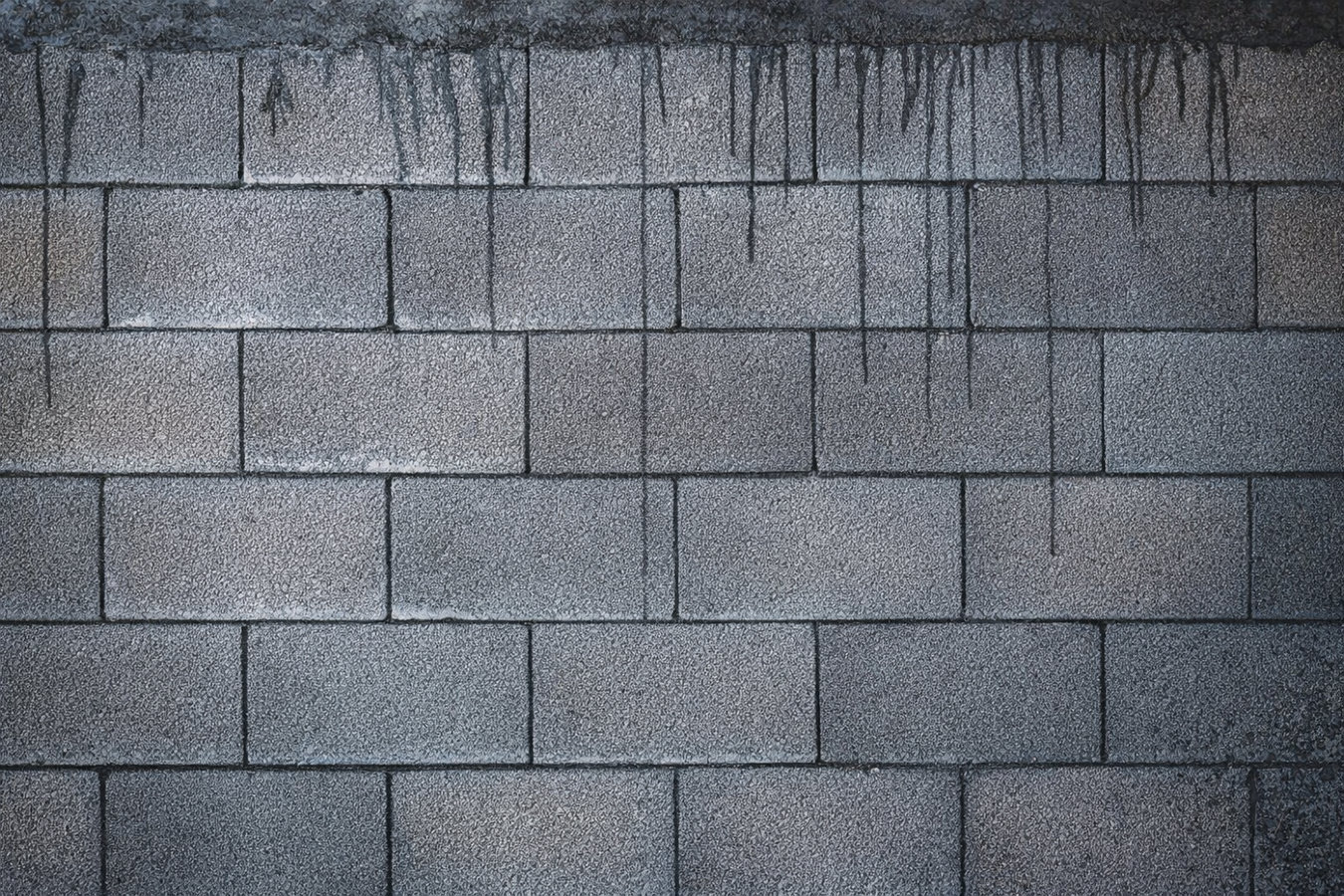
A block wall that leans or cracks in a few years was built on the wrong footing. We dig deep enough for Bell County clay, pull all required permits, and build walls that stay straight for decades.
Concrete block walls in Temple, TX are built by stacking and mortaring concrete masonry units on a poured concrete footing, creating a durable boundary for property lines, gardens, or retaining slopes. Most straightforward residential walls take one to three days to build once the footing has cured, with an additional few days to a couple of weeks for permit review if your project requires one.
The footing is the part of the job that determines whether the wall is still standing straight in 30 years. Temple sits on some of the most reactive clay soil in Texas - the kind that swells with rain and shrinks in drought, which happens in significant swings here every year. A footing that does not reach undisturbed soil below the reactive clay layer will shift with that movement, and the wall will follow. This is why a question about footing depth is one of the most useful things you can ask any contractor before hiring them. If you are planning related work to manage water flow around the wall, retaining wall construction handles sloped applications where drainage is part of the scope.
Not every concrete block wall project is a repair. Many Temple homeowners build them fresh to define outdoor spaces, create raised garden beds, or replace wood and timber borders that have rotted out in the heat. Block is one of the most practical choices in Central Texas because it does not rot, does not warp, and does not need paint.
Stand back and look at your wall from the end. If it curves outward or leans noticeably in one direction, the footing has likely shifted - a common result of Temple's expansive clay soil going through years of wet and dry cycles. A leaning wall will not fix itself, and the longer it sits, the more expensive the repair becomes.
Small hairline cracks in the mortar are normal over time and can be patched. But if you see cracks that run diagonally across multiple blocks, or cracks wide enough to slip a coin into, that is a sign of structural movement underneath. In Temple, this kind of cracking often accelerates after a dry summer followed by heavy fall rains.
If rainwater runs toward your house instead of away from it, a properly built retaining or border wall can redirect that flow and protect your foundation. This is especially relevant in Temple's older neighborhoods where original grading has settled over decades and drainage patterns have changed.
Central Texas sees its share of severe thunderstorms and occasional high winds. If a storm has knocked over or cracked a section of an existing block wall, have a mason assess whether the damage is limited to the surface or whether the footing was compromised. Patching a wall with a damaged base is a short-term fix that will fail again.
We build concrete block walls for property boundaries, garden borders, raised beds, and retaining applications throughout Temple and Bell County. Every wall starts with a properly excavated and poured footing - sized to the wall height and local soil conditions at your specific site. For taller walls, we set steel reinforcement inside the block cores and fill them with concrete to add strength, which is standard practice for retaining walls and required by permit for walls above a certain height in Temple.
We also repair and rebuild existing walls that are leaning, cracking, or built on footings too shallow for Temple's clay. When a wall has shifted enough that rebuilding from the ground up is the honest answer, we say so upfront. Related structural work often follows block wall projects - our foundation block wall installation team handles below-grade block work tied to foundation systems on the same property.
For homeowners who want a durable, low-maintenance boundary that holds up through years of Central Texas heat and soil movement.
A practical and permanent alternative to wood or landscape timber borders that rot and need replacement every decade.
For sloped yards where soil erosion or grade changes need to be controlled - built with drainage and footing depth matched to the site.
For existing block walls that are leaning, cracked, or built on footings too shallow to handle Bell County clay.
Bell County's Blackland Prairie clay is the defining local factor for any masonry project here. It swells dramatically when it rains and contracts just as dramatically in dry summers, and Temple goes through both extremes every year. Walls built on footings that do not account for this movement will crack and lean within a few seasons - not decades. A local contractor who has watched this happen knows to dig the footing deep enough to sit on undisturbed soil below the reactive layer, and to build in enough base width to resist the lateral push that clay soil exerts when it is saturated. Temple summers regularly push past 100 degrees, which also means fresh mortar has to be managed carefully - we schedule work early in the day and keep materials shaded to protect the bond.
We work across the Temple area, including in communities like Killeen and Nolanville, where homeowners face the same soil and climate conditions as Temple. In newer HOA-governed subdivisions on the north and west sides of Temple, we ask about design requirements before work begins - some associations have specific rules about wall height and finish that need to be confirmed before the permit is pulled.
When you reach out, we want to see the site in person before giving you a price. We look at the ground, the slope, site access, and any nearby structures. This visit usually takes 20 to 45 minutes and costs nothing.
After the visit, you receive a written estimate that breaks down labor and materials. If your project requires a City of Temple permit, we tell you at this stage and handle the application. We respond within 1 business day of the site visit.
The first work day involves digging the trench and pouring the concrete footing. In Temple's clay soil, getting this right - deep enough, wide enough, properly leveled - is what separates a wall that lasts 30 years from one that starts cracking in five. This step ends up buried, but it is the most important part of the whole job.
Once the footing has cured for at least a day, we stack and mortar the blocks, checking for level and alignment constantly. When the last block is set, we clean the site and coordinate any required city inspection. The wall needs about a week before you put soil pressure against it.
We visit your site, assess the soil conditions, and give you a written quote with no obligation and no pressure.
(254) 791-8302The most common reason block walls fail in Temple is a footing that was too shallow to stay stable through the seasonal wet-dry cycle. We dig to undisturbed soil beneath the reactive clay layer and size the footing to match the wall height and soil conditions at your specific site - not just the minimum the code allows.
National Concrete Masonry Association - standards and guidanceSome homeowners in Temple have discovered years later that a wall was built without the required city permit, creating complications at resale. We handle the permit application as part of the job - you have documentation in hand before we leave your property.
When a leaning or cracked wall comes down to a compromised footing, we tell you that upfront rather than patching it so it fails again in a few years. If a rebuild from the ground up is the right answer for your situation, we explain exactly why before any work is agreed upon.
We have built and repaired concrete block walls throughout Temple and surrounding communities, on properties with the same clay soil and older housing stock you have. We can connect you with local homeowners in Bell County neighborhoods who can tell you what the experience was like firsthand.
A concrete block wall is a long-term investment in your property. Getting the footing right, pulling the permit, and using mortar suited to Central Texas conditions are not extras - they are what the job requires to deliver a wall worth having.
For technical standards on concrete masonry construction, the National Concrete Masonry Association publishes widely used guidance, and the Texas Board of Professional Engineers is the licensing body for any engineer involved in taller retaining wall projects.
Below-grade block wall work tied to foundation systems - for properties where structural and boundary wall work happen on the same project.
Learn MoreMasonry retaining walls for sloped yards with drainage designed in from the start - the right choice when soil retention and water management are both needed.
Learn MoreSpring and fall book fast - reach out now and we will set up a site visit before the calendar fills up.