
Loading...
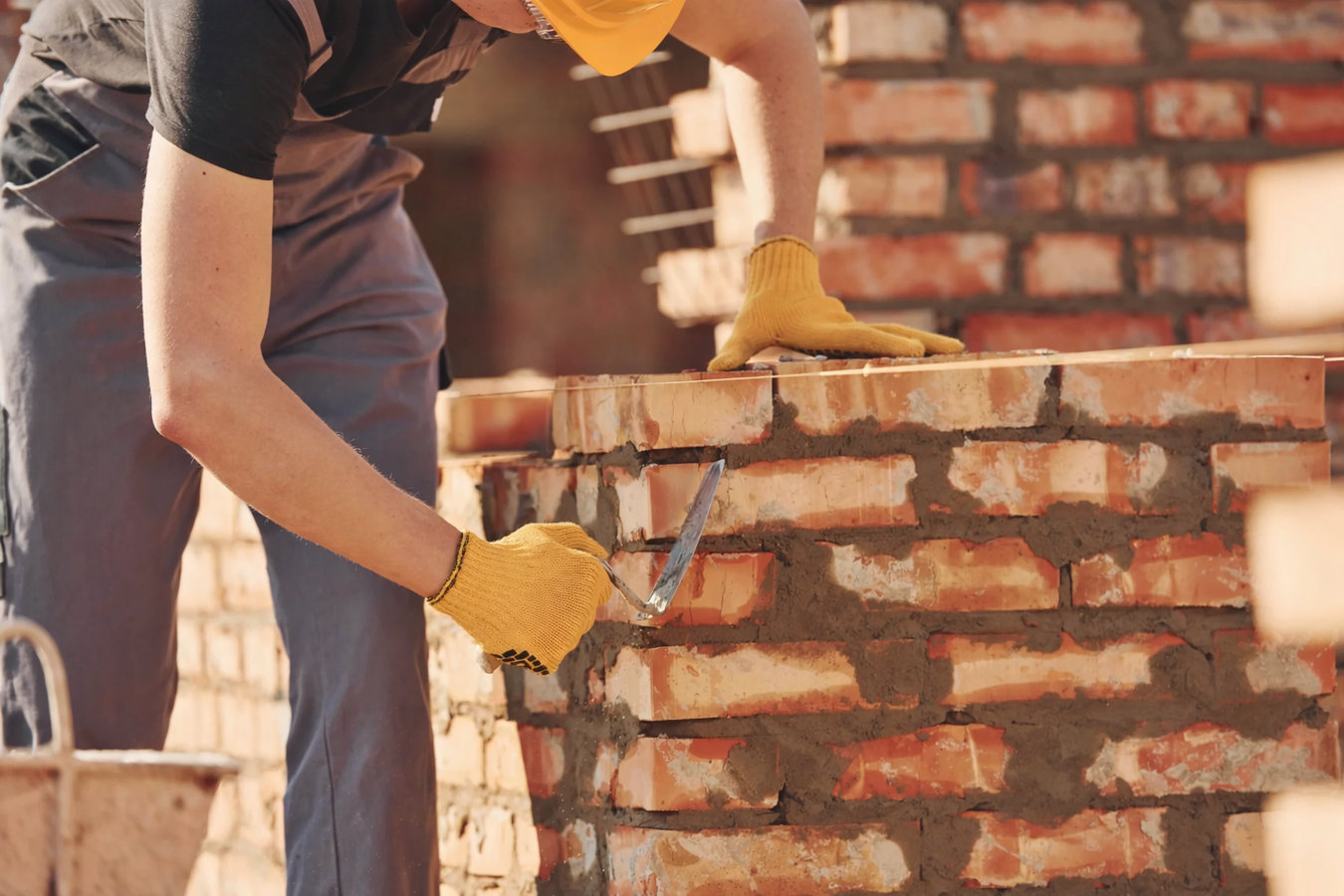
Temple Concrete & Masonry serves Belton homeowners with brick repair, retaining walls, walkways, and tuckpointing - written estimates before we start, no pressure, and a crew that knows what Bell County clay does to masonry over time.
Belton homes with brick veneer - especially those built before 1990 near downtown or around the UMHB campus - regularly develop cracks, spalling, and mortar failure from decades of soil movement and temperature cycling. Replacing damaged bricks and repointing the surrounding joints restores the wall and keeps water out. See the full scope of our brick repair service.
Mortar joints on Belton brick homes crack and erode faster than in cooler climates. Once mortar opens up, water enters the wall cavity and accelerates damage from the inside. Tuckpointing those joints before the damage reaches the brick itself is the most cost-effective maintenance a brick homeowner can do.
Belton's clay soil and periodic heavy spring rains create strong erosion pressure on sloped lots and raised garden areas. A properly built masonry retaining wall prevents that soil from migrating into driveways, neighbor yards, or toward the foundation.
Concrete and paver walkways shift and crack when built without accounting for Belton's clay soil movement. Building a properly based walkway with expansion joints from day one means it survives the seasonal wet-dry cycles instead of cracking apart in the first three years.
Newer subdivisions on Belton's north and east sides have larger driveways that take daily vehicle loads and summer heat simultaneously. Paver driveways can be individually reset when the soil shifts underneath, making them easier to maintain long-term than a poured concrete slab.
Slab foundations across Belton face the same Bell County clay conditions that affect all of Central Texas. Sticking doors, diagonal cracks above window frames, and gaps at baseboards are all signs the foundation has shifted - and the longer those signs are ignored, the more of the structure gets pulled out of alignment.
Belton is the county seat of Bell County, and it shares the same heavy clay soil that makes masonry maintenance a regular reality for homeowners throughout the region. That soil swells after spring rains and shrinks hard in the dry summer heat, putting stress on any masonry structure touching the ground. Belton's older neighborhoods near downtown and around the University of Mary Hardin-Baylor campus have homes from the early 1900s through the 1960s where this movement has been building up for generations. Pier-and-beam construction on those older homes handles soil movement differently from the slab foundations on newer subdivisions, and a contractor needs to recognize which they are dealing with to address the problem correctly.
Belton also has a significant number of residents connected to Fort Cavazos - military families and veterans who may be newer to Central Texas and unfamiliar with what the local climate and soil do to a home over time. If you bought your home here recently and have never had a masonry inspection, it is worth understanding the baseline condition of the brick, mortar, and any concrete flatwork on the property before small issues become larger ones. The USDA Web Soil Survey provides detailed soil data for Belton and Bell County if you want to understand what is under your property.
Our crew works throughout Belton regularly and understands the local conditions that affect masonry work here. We are familiar with the range of housing stock across the city - from the older homes near the historic downtown square and the University of Mary Hardin-Baylor campus to the newer quarter-acre-lot subdivisions on the north and east sides of town near Belton Lake.
The older neighborhoods in Belton - particularly those built before 1970 - have a mix of pier-and-beam and early slab construction that requires a different approach than modern builds. Brick veneer on those homes has absorbed decades of seasonal movement, and the mortar joints often need attention before a homeowner realizes there is a problem. Newer homes on larger lots are more likely to show the effects in concrete driveways and paver walkways, where the bigger surface area amplifies soil movement over time.
We also serve the areas closest to Belton. If you are in Nolanville, just east of Belton, or in Temple, we cover both as part of our regular Bell County service area.
Call or submit the contact form with a quick description of what you are seeing. We respond within 1 business day and schedule a free on-site visit at a time that is convenient for you - no commitment required.
We come to your Belton property and walk through the affected areas. For brick or mortar work we check the extent of deterioration and any signs of moisture intrusion. For flatwork we check for soil-related shifting. The visit costs nothing.
You receive a written proposal covering all labor, materials, cleanup, and any required permits. The price does not change unless you ask for something different. Take time to review it and ask questions - there is no deadline.
We pull permits where required before starting. When the work is done, we do a walkthrough with you to confirm everything meets the scope. Any permitted work is also inspected by the relevant local authority.
We cover Belton and all of Bell County. Free on-site assessment, written estimate before any work starts, and no pressure. We reply within 1 business day.
(254) 791-8302Belton is the county seat of Bell County with a population of around 23,000, sitting just south of Temple along the I-35 corridor. The city has a distinct character built around two anchors: the University of Mary Hardin-Baylor, which has been part of Belton since 1845, and Belton Lake, a large U.S. Army Corps of Engineers reservoir just northwest of the city where locals go for boating, fishing, and camping. The historic downtown square, anchored by the Bell County Courthouse, is the civic center the city has gathered around for well over a century.
Housing in Belton spans a wide range. Neighborhoods close to downtown and the UMHB campus have homes from the early 1900s through the 1960s with older construction that requires a contractor who knows how to read aging brick and mixed foundation types. Farther out, newer subdivisions on the city's north and east edges have larger lots and more modern construction, but the same Bell County clay soil underneath. Homeowners in neighboring Temple and Nolanville face the same conditions and are served by the same crew on the same schedule.
Build a solid block foundation that supports your structure long-term.
Learn MoreBell County clay soil keeps working on your home whether you call us or not - a free assessment now tells you what you are dealing with before small cracks turn into larger repairs. We respond within 1 business day.