
Loading...
Temple Concrete & Masonry has served Lampasas homeowners since 2017, building and repairing stone masonry, retaining walls, and foundations on the area's rocky limestone lots. We respond within 1 business day and provide a written estimate before we start.
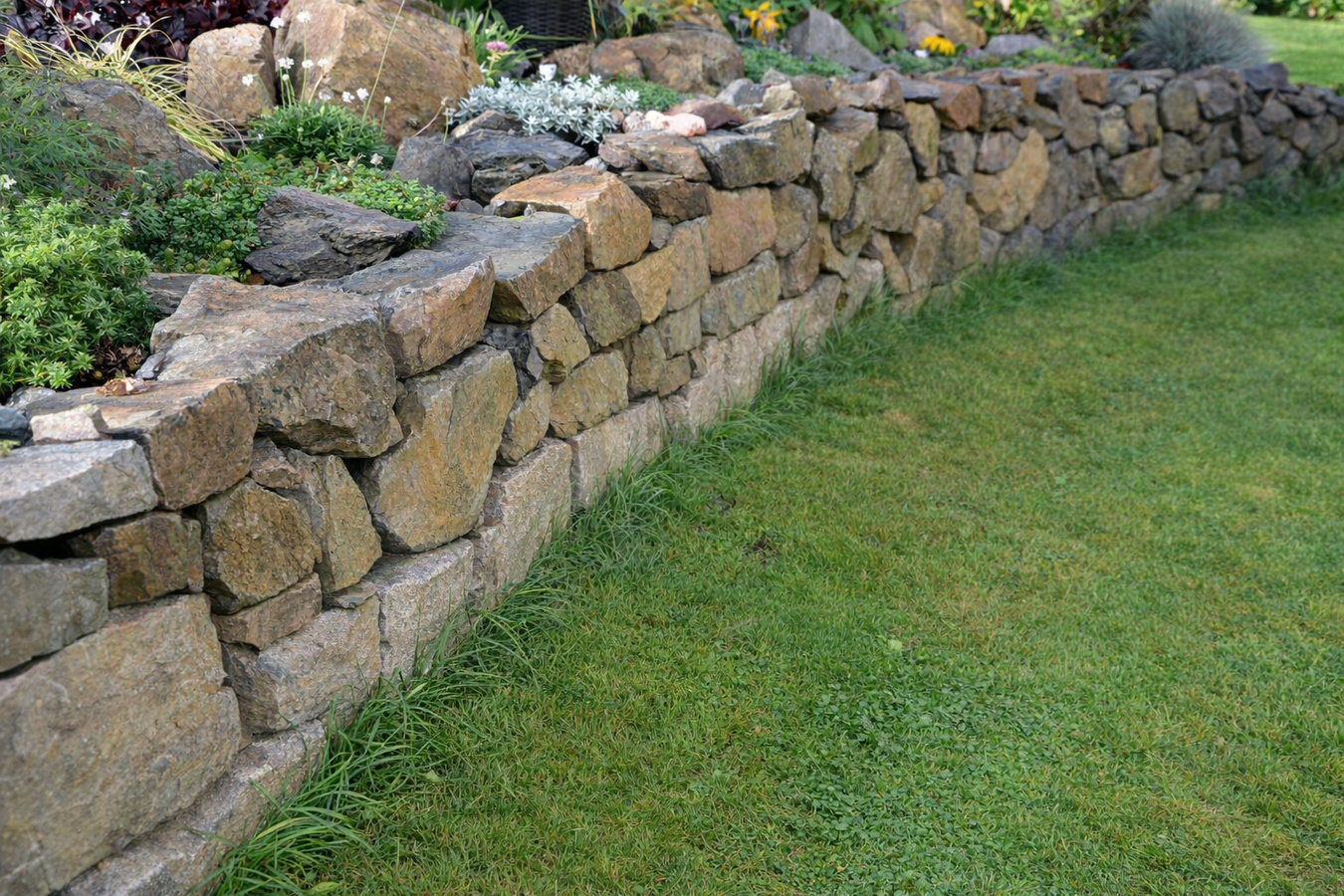
Lampasas sits on the edge of the Hill Country, and limestone is the natural building material here - used in foundations, walls, and landscape features across the area for well over a century. When limestone block walls crack, shift, or need new construction, matching the local stone correctly takes specific experience. See our stone masonry page for the full scope of what we do.
Lampasas sits on a mix of clay and rocky limestone that moves with every wet and dry cycle, which is hard on slab foundations and older limestone block bases alike. Catching foundation movement early - before it shows up as sticking doors or cracked walls - saves thousands compared to waiting until the damage is visible everywhere.
The rolling Hill Country terrain around Lampasas means many lots have slopes that need management. A properly built stone or block retaining wall holds soil in place on grade changes, keeps drainage away from foundations, and handles the freeze-thaw pressure that loose slopes cannot.
Ranch-style homes from the 1960s through 1980s are common in Lampasas, and their brick veneers have been absorbing heat, hard freezes, and soil movement for decades. Replacing cracked or spalling bricks before water gets into the wall cavity keeps repair costs manageable and the exterior intact.
Older Lampasas homes with wood-burning fireplaces often have chimneys where mortar joints have cracked after years of temperature cycles. A failing chimney crown or cracked flue liner lets water in at the top and can become a structural problem if ignored through another winter season.
Concrete and paver walkways on Lampasas lots crack when the clay soil underneath dries and contracts in summer. Building a walkway with a proper sub-base and drainage consideration from the start keeps it level and crack-free through the seasonal swings that break apart shortcuts.
Lampasas sits right where the Edwards Plateau meets the central Texas plains, and the ground under most properties reflects that. A layer of expansive clay sits above rocky limestone bedrock in many areas, which creates a combination that moves in wet weather, pulls away during drought, and resists digging and grading when the rock is close to the surface. That is a fundamentally different environment from the flat clay soil in Killeen or the newer suburban lots in Georgetown - masonry built here has to account for drainage patterns, uneven bearing surfaces, and the freeze-thaw cycles that central Texas winters bring. A contractor who arrives without understanding the local geology will either underestimate the prep work or miss the reason the last repair failed.
The housing stock adds another dimension. A large share of homes in Lampasas are more than 40 years old, and many of the older properties feature limestone block construction - walls, foundations, or retaining structures built from the same local rock that underlies the lots they sit on. Limestone is durable but not impervious - mortar joints crack, blocks settle, and water infiltration in the colder months causes progressive damage that accelerates over time. According to soil data from the USDA Web Soil Survey, the clay-rock mix common around Lampasas is classified as highly reactive, meaning it requires specific site preparation that standard flat-ground masonry methods do not address.
Our crew works throughout Lampasas regularly, and we understand the local conditions that affect masonry work here. We encounter limestone block construction on a regular basis in Lampasas that we do not see as often in other parts of our service area - and working with that material correctly requires a different approach than standard brick or concrete block jobs. Knowing how to source matching limestone, how to set mortar that bonds to porous local stone, and how to manage drainage on rocky sloped lots is built into how we approach every Lampasas estimate.
Lampasas is a small, owner-occupied community, and that shows in how people approach home maintenance here. Many homeowners have lived in their houses for decades and want repairs done right the first time, not patched over quickly. The older neighborhoods near the Lampasas County Courthouse square - one of the finest examples of late 1800s limestone public architecture in central Texas - are particularly known for historic stone and brick construction that requires careful matching and period-appropriate mortar work. We take the time to assess each job fully rather than rushing to a quick fix that looks fine from the curb.
We also serve the surrounding area on the same schedule. If you are in Georgetown or need service in Copperas Cove, we cover both communities regularly and can typically coordinate a visit on the same trip.
When you reach out, we ask a few quick questions about your property and what you are seeing. We reply within 1 business day and schedule a free site visit at a time that works for you - no need to take a full day off.
We walk the relevant areas of your property, check for signs of soil movement, and assess the scope of the work. For Hill Country lots with rocky terrain, we factor in site access and sub-base conditions before we quote anything. The visit is free with no obligation.
You receive a written proposal covering labor, materials, permits, and cleanup. The price you see is what you pay unless you request a change. We encourage comparison estimates - a fair number holds up under scrutiny.
We pull any required permits before starting. Once the job is complete, we walk through the work with you and confirm everything meets what we agreed on before we close out the project.
We serve Lampasas and the surrounding Hill Country area. No pressure - just a free on-site estimate and a straight answer about what your property needs.
(254) 791-8302Lampasas is a small city of roughly 7,500 people and the county seat of Lampasas County in central Texas. It sits at the western edge of the Blackland Prairie, where the landscape transitions into the cedar-covered hills and limestone outcrops of the Edwards Plateau. The Lampasas River runs through and around the city, and the area has been known since the 1800s for its natural mineral springs - Hancock Springs Pool, fed by those same springs, remains a beloved local landmark that generations of Lampasas families have visited through the summer. The city has a tight-knit, long-term population where owner-occupied homes are the norm and neighbors tend to take their properties seriously. Per the U.S. Census, roughly 60 percent of housing units in Lampasas are owner-occupied.
The housing stock in Lampasas reflects the city's history. Older neighborhoods near the courthouse square feature homes and commercial buildings from the late 1800s through the early 1900s, many constructed from local limestone in the vernacular Hill Country style. Moving outward, there is a band of ranch-style homes from the 1960s through 1980s, followed by smaller subdivisions of newer construction on the city's edges. Outside the city limits, Lampasas County is predominantly ranch land and rural acreage, and many homeowners in those areas have outbuildings, stone fencing, and gravel driveways that present different maintenance needs than in-town properties. We are about 45 miles northwest of Temple and serve Lampasas alongside other nearby communities including Killeen and the broader central Texas corridor.
Build a solid block foundation that supports your structure long-term.
Learn MoreWhether your project is stone masonry, foundation repair, or a retaining wall on a Hill Country lot, we are ready to help - call today or submit a form and we will get back to you within 1 business day.