
Loading...
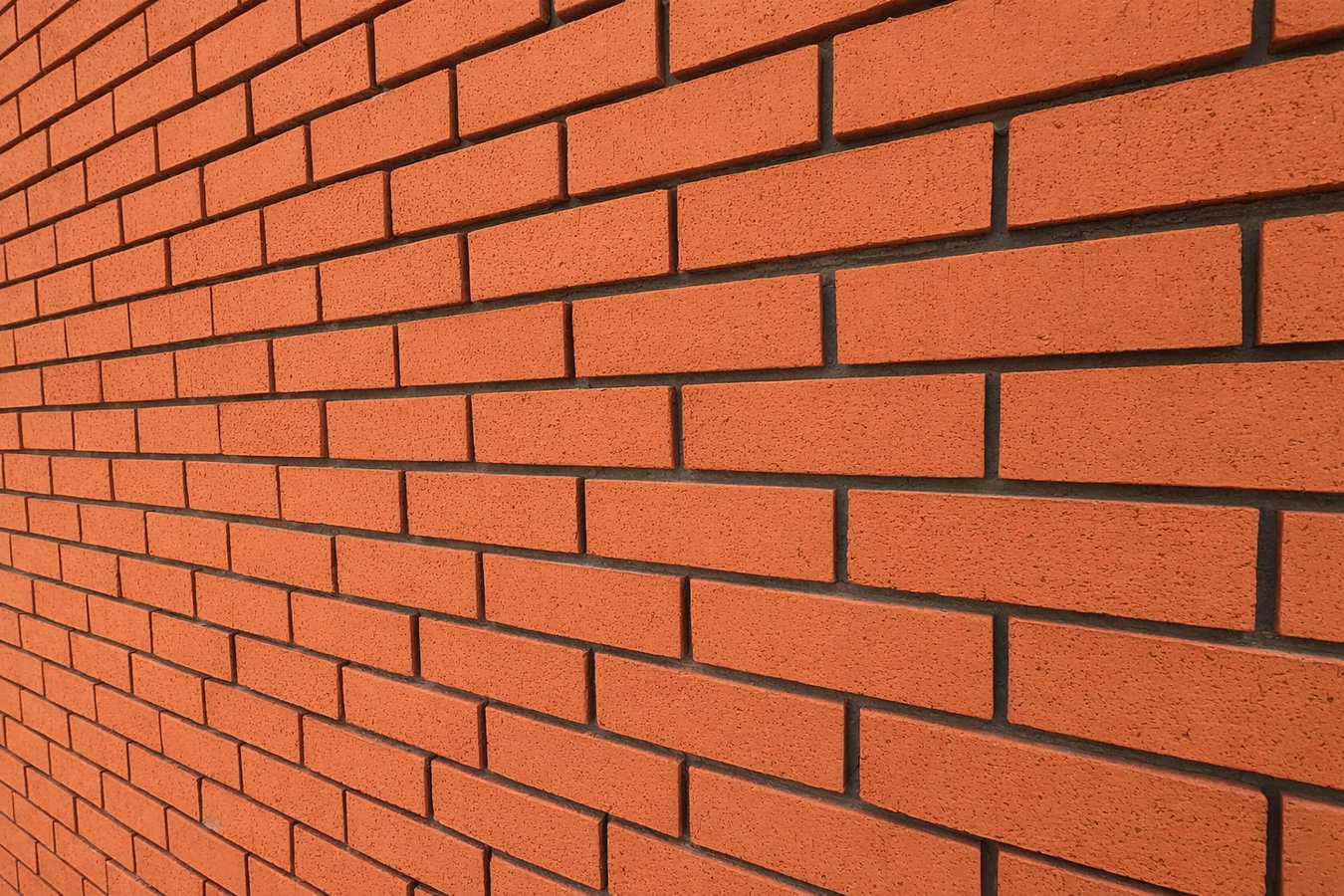
Failing mortar joints let water into your walls and weaken your brick over time. We remove the old material, pack in matched mortar, and restore the seal before the next rain.
Tuckpointing in Temple, TX is the process of removing deteriorated mortar from between the bricks in a wall and replacing it with fresh, matched material - restoring the seal, structural integrity, and appearance of the masonry. Most chimney and wall jobs take one to three days, and no demolition or brick replacement is involved unless the bricks themselves are damaged.
Mortar is softer than brick by design - it is meant to absorb the stress of weather and movement so the bricks themselves do not crack. In Temple, that stress comes from two directions: the heat and sun that beat down on south- and west-facing walls all summer, and the Blackland Prairie clay soil that swells and shrinks with every rain and drought. Once mortar starts crumbling, water finds its way in, and the damage accelerates. The brick repair work that follows is almost always more expensive than the tuckpointing that would have prevented it.
If your home is in one of Temple's older neighborhoods - especially areas with housing built in the 1950s through 1970s - there is a good chance the original mortar has never been addressed and is well past its expected service life.
Press your thumb firmly against a mortar joint on any exterior wall. If it flakes, crumbles, or feels soft and sandy, the mortar has broken down and is no longer sealing your wall. Healthy mortar should feel as hard as concrete and not give at all.
Visible gaps between bricks - or sections where mortar has fallen out entirely - mean water already has a direct path into the wall. This is especially common on older Temple homes where original mortar has reached the end of its life after 50 or more years.
That powdery white residue - called efflorescence - is a sign water is moving through your masonry and carrying dissolved salts to the surface. In Temple, where heavy spring rains follow dry spells, this wet-dry cycling is a common trigger. It means moisture is getting in somewhere.
Temple's Blackland Prairie clay shrinks significantly during drought, and that movement can open cracks in mortar joints that were previously intact. If you noticed new cracks in late summer or early fall - especially near a chimney base or wall corner - soil movement is likely the cause.
The core of every tuckpointing job is the same: grind or chisel out deteriorated mortar to a depth of roughly three-quarters of an inch, then pack in fresh mortar that matches the color and hardness of the existing material. Done correctly, the repair blends in - you should barely be able to tell where the old mortar ended and the new began. We handle chimney repointing, exterior wall repointing, and targeted spot repairs for homeowners dealing with a localized problem area. Every job uses mortar matched specifically to your existing brickwork - no generic one-size mixes.
When the damage goes beyond mortar alone - cracked, spalled, or structurally compromised bricks - we transition the work to our brick repair scope. And if you need related pointing work on a chimney, our brick pointing service addresses joints on chimneys, retaining walls, and other masonry structures where the profile and finish requirements differ from standard repointing. We assess which scope fits your situation and explain the difference before any work begins.
Best for homeowners with crumbling chimney mortar - high-exposure work that weathers faster than any other surface on the home.
For brick veneer homes where joints have deteriorated across a wall section or full facade.
Targeted repointing for a localized problem area - ideal when damage is confined to a single wall face or small section.
Temple sits on the Blackland Prairie, a belt of heavy clay soil that swells when it absorbs water and shrinks when it dries out. That constant movement puts stress on masonry foundations, chimneys, and brick veneer walls - accelerating mortar joint deterioration faster than in areas with more stable soils. Temple also regularly sees summer temperatures above 100 degrees, and that heat causes brick and mortar to expand and contract repeatedly over the season. Over years, that cycling weakens the bond between mortar and brick, especially on south- and west-facing walls that absorb the most direct sun. Scheduling tuckpointing in spring or fall, when temperatures are moderate, gives new mortar the best chance to cure and bond properly. The Brick Industry Association has published guidance on how climate affects mortar service life.
Temple's older neighborhoods contain a significant number of brick homes built between the 1940s and 1970s - and mortar in those homes is now 50 to 80 years old and well past its typical service life. We work across the city and the surrounding area, including Belton and Killeen. If your home was built before 1980 and has never had mortar joints addressed, an inspection is worth scheduling before the next storm season.
When you reach out, we ask where the problem is, how old the home is, and whether you have noticed water inside. We respond within 1 business day and schedule a free on-site visit.
We walk the wall or chimney with you, point out what needs to come out, and assess the condition of the bricks themselves. You leave with a written estimate before we go.
We grind or chisel out deteriorated mortar to the correct depth, then pack in fresh mortar matched to your existing joint color and profile. Most residential jobs take one to three days.
We clean mortar dust from the brick face before leaving, then walk the finished work with you. We explain the 24-to-48-hour curing window and what to avoid during that time.
Free on-site assessments. Written estimates before any work starts. We respond within 1 business day.
(254) 791-8302We assess the hardness and color of your existing mortar before mixing anything new. Using mortar that is too hard on an older home can crack the bricks themselves - something many contractors skip. Matching correctly is the difference between a repair that lasts decades and one that fails in a few years.
Temple's Blackland Prairie soil puts stress on mortar joints year-round - and a repair that does not account for that movement will crack again. We have worked on brick homes across Bell County and understand how local soil conditions affect which mortar mixes hold up. That local knowledge matters for how long your repair lasts.
We check the forecast before scheduling and will pause rather than push mortar work ahead of rain or a hard freeze. Rushing the cure is one of the most common reasons tuckpointing jobs fail early. You paid for a repair that lasts - we make sure conditions support that.
You get a written scope and price before we pick up a grinder. The number does not change unless you ask for something different. One of the most common complaints about masonry contractors is vague estimates that grow after work begins - we do not operate that way.
The details that most homeowners never see - mortar hardness, joint profile, curing temperature - are the ones that determine whether a tuckpointing job lasts five years or twenty-five. We focus on getting those details right, and our work in Temple and across Bell County reflects that approach.
When tuckpointing is not enough and the bricks themselves are cracked, spalled, or structurally compromised, brick repair addresses the damage at the unit level.
Learn MorePrecision joint finishing for chimneys, retaining walls, and other masonry structures where profile and weather resistance requirements are more demanding.
Learn MoreFailing mortar is an open door for water - call today or submit a request and we will respond within 1 business day with a free on-site estimate.