
Loading...
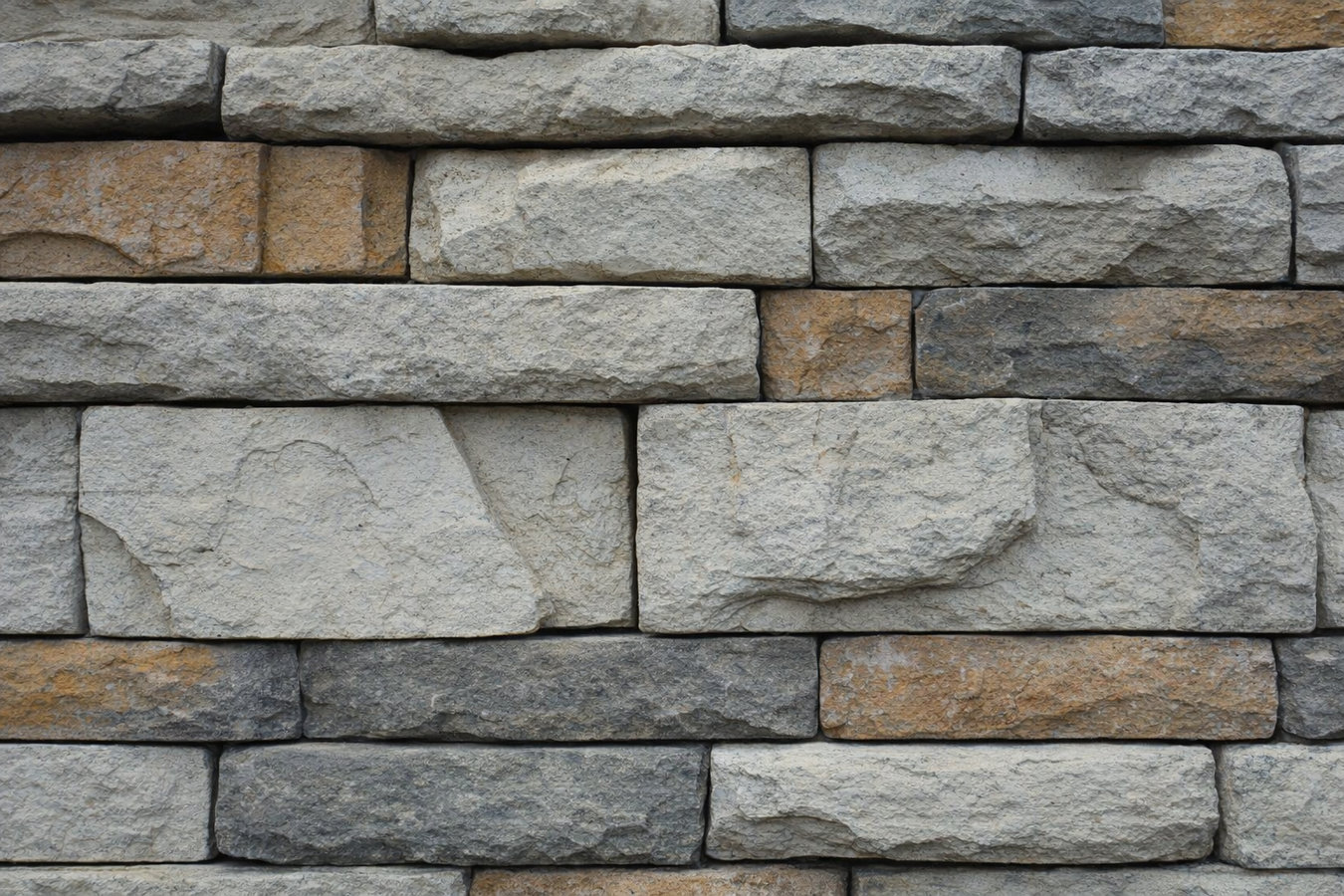
Crumbling mortar, cracked brick, and stained stone do not fix themselves. We find the cause, remove the damaged material, and restore your masonry to a clean, water-tight finish.
Masonry restoration in Temple, TX covers repairing, cleaning, and stabilizing brick, stone, or concrete block that has started to break down - from refilling crumbling mortar joints to patching cracked stone and stabilizing walls that have shifted, with most residential jobs completed in one to five days without tearing down the structure.
The mortar between your bricks is softer than the bricks themselves by design - it is built to absorb the stress of weather and movement so the bricks do not crack. In Temple, that stress comes from two directions: the summer heat that causes expansion and contraction, and the Blackland Prairie clay soil that swells with rain and shrinks in drought. Once mortar starts crumbling, water moves in and the damage spreads fast. Many homeowners in Temple find that a straightforward masonry restoration job prevented far more expensive fireplace installation or structural work down the road.
Homes built in the 1950s through 1970s - a large share of Temple's established neighborhoods - are at or past their first or second maintenance cycle on original mortar. Even if the bricks look fine from the street, the joints may be significantly degraded and worth a close look.
Press a finger firmly into the joint between any two bricks on your exterior wall or chimney. If the material flakes away, feels sandy, or shows visible gaps, the mortar has broken down and is no longer sealing the wall. This is one of the most common conditions on older Temple homes - and it gets worse quickly once it starts.
Temple's Blackland Prairie clay soil swells in wet conditions and shrinks during drought - and that movement shows up as new cracks in brick walls, retaining walls, or chimney bases. If a crack appeared or widened after last summer's dry stretch or following a stretch of heavy rain, the soil is almost certainly involved and the crack needs evaluation before it spreads.
That chalky white residue is called efflorescence. It forms when water moves through your masonry, picks up dissolved salts, and deposits them on the surface as it evaporates. In Temple, where intense spring storms are common, efflorescence is a sign water is getting in somewhere - and it will continue breaking down the mortar and eventually the bricks if left alone.
Chimneys take more weather abuse than any other masonry structure on a home, and Temple's freeze-thaw cycles in winter can loosen bricks at the crown over time. If your chimney looks like it leans, if bricks feel loose when tapped, or if you can see a gap between the chimney and the roofline flashing, those signs need attention before the next storm season.
Every masonry restoration job starts the same way: we identify exactly what has deteriorated and why, then remove the damaged material before replacing it with something that will hold. For mortar joints, that means grinding or chiseling to the right depth and packing in fresh mortar that matches the color, texture, and hardness of your existing material. For cracked stone or brick, we assess whether the crack is cosmetic or structural before deciding on the repair approach. When the damage extends to the masonry structure itself - a leaning chimney, a shifted wall section, a firebox that needs rebuilding - we work with you on the right scope before pricing the job.
When restoration work reveals deeper issues, we connect you to the right follow-up service rather than just patching the surface. If chimney work uncovers a need for a new firebox or liner, our fireplace installation team handles that scope. For walls or structures where natural stone is the right material, our stone masonry work covers custom stonework and matching repairs. We assess which scope fits your situation and explain the options before any work begins.
For homes where mortar has deteriorated across a wall, chimney, or retaining wall - joints cleaned out and packed with matched material.
Targeted repair for localized cracks in brick or stone, including assessment of the underlying cause to prevent recurrence.
For chimneys showing mortar loss, crown damage, or brick deterioration - covers everything from a single section to a full rebuild.
For walls showing white salt staining - surface treatment combined with identification and sealing of the moisture entry point.
Temple sits on the Blackland Prairie, a belt of heavy clay soil that expands when wet and contracts when dry. That constant movement puts stress on brick walls, retaining walls, and chimneys that simply does not occur in areas with more stable soils. Add in summer temperatures that regularly clear 100 degrees and occasional hard freezes in January and February, and the stress cycle on mortar joints is relentless. The best window for masonry restoration work in Temple is spring or fall - typically March through May and October through November - when temperatures are moderate enough for mortar to cure slowly and bond well. Scheduling chimney work in October, for example, gives the mortar time to fully cure before the fireplace season begins. Homeowners in Belton and Killeen face the same clay soil conditions and similar climate pressures as Temple homeowners, making mortar maintenance a routine part of keeping a brick home in good shape across all of Bell County.
Many homes in Temple's established neighborhoods were built in the 1950s through 1970s, when brick was the dominant exterior material. Masonry on homes that age is often past its first or second maintenance cycle - the mortar may be significantly degraded even if the bricks look solid from the street. The National Park Service Preservation Briefs on masonry repair note that mortar softer than the surrounding bricks is essential to avoid transferring stress into the masonry itself - a standard that not all contractors follow but that matters significantly in climates with wide temperature swings like Central Texas. If your home is more than 40 years old and has never had masonry work done, it is worth having someone take a close look before a minor maintenance issue becomes a structural one.
Describe what you are seeing and where on the home it is. We respond within 1 business day and schedule a free on-site visit. You do not need to know the technical details - just tell us what you notice.
We inspect the wall or chimney with you, check the condition of both mortar and bricks, and assess drainage conditions around the base. You receive a written estimate before we leave - the number does not change unless you add scope.
We grind or chisel out deteriorated mortar to the right depth, then pack in fresh mortar color-matched to your existing joints. We test a sample section and let it dry before committing to the full job because mortar dries lighter than it looks wet.
We clean mortar dust from the brick faces and walk the finished work with you before leaving. We explain the 24-to-72-hour curing window and what to avoid - including any fireplace restrictions if the chimney was part of the job.
Free estimate, written price, no obligation. We respond within 1 business day.
(254) 791-8302Good mortar restoration uses mortar that is slightly softer than the bricks it holds together. If it is too hard, it forces stress into the bricks and causes cracking over time. We assess your existing material before mixing anything new - that step is what separates a repair that lasts 25 years from one that fails in five.
The Blackland Prairie soil under Bell County homes moves every season, and a repair that ignores that movement will crack again. We assess drainage and soil conditions around every structure we work on - not just the wall surface - because that is how you address the cause rather than just the symptom.
We apply a small mortar sample, let it cure fully, and confirm the color match before starting the full job. Mortar always dries lighter than it looks wet, and skipping this step is why some repairs stand out like a patch. Your wall should look repaired from up close, not patched from across the street.
Structural masonry work in Temple may require a permit through the City of Temple's Development Services office. We will tell you upfront whether your job falls into that category and pull the permit on your behalf if it does. Working without a required permit can create problems at resale - we do not cut those corners.
Masonry restoration is one of those jobs where the real quality is hidden inside the wall, not just on the surface. Every project we finish with a walkthrough that shows you exactly what was done and gives you a straight answer about when - if ever - that area will need attention again. The Brick Industry Association sets the professional standards for brick and masonry work across the country, and those are the standards we work to - not shortcuts that look fine on day one but fail within a few seasons.
Planning a new wood-burning or gas fireplace - we handle the full build, permit, and chimney from the ground up.
Learn MoreCustom stonework and matching stone repairs for walls, chimneys, and masonry structures across Central Texas.
Learn MoreThe sooner crumbling mortar or a cracked wall gets addressed, the smaller the repair bill. Call us today or request a free estimate online.