
Loading...
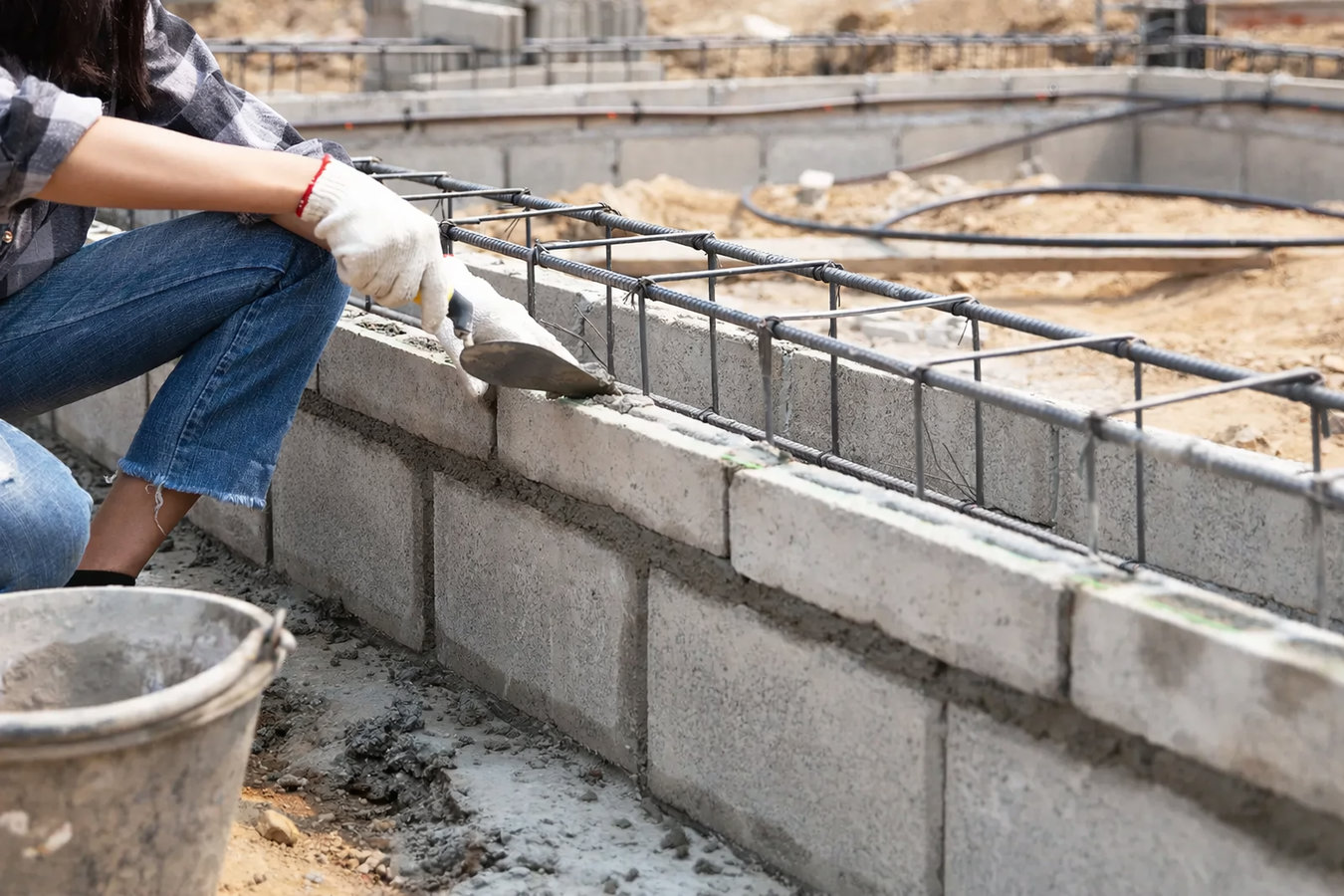
A foundation wall that cracks in a few years was built on the wrong footing for this soil. We dig deep enough for Bell County clay, reinforce every core, and pull every required permit.
Foundation block wall installation in Temple, TX involves building a structural wall from concrete masonry units on a poured concrete footing, with steel reinforcement and waterproofing included for most residential applications. Most active construction takes three to five days once the footing has cured, with the full project - including permit processing and inspections - typically running two to three weeks from first call to completion.
The footing is what separates a foundation wall that lasts 50 years from one that starts cracking in five. Temple sits squarely on Blackland Prairie clay - the kind of soil that swells dramatically when heavy spring rains arrive and then shrinks just as much during a dry Central Texas summer. A footing that does not reach stable soil below that reactive layer will move with the clay, and the wall will follow. Every block-laying decision above grade depends on getting that footing right first. For homes already experiencing soil pressure from a sloped lot, pairing this work with outdoor kitchen masonry or reviewing your existing foundation repair options first can help clarify the full scope of what is needed.
Many Temple homeowners in the city's older neighborhoods - particularly those built between the 1950s and 1970s - are dealing with original block foundations that have reached the end of their service life. These are real replacement projects, not just repairs, and the permit and inspection process that comes with them is a genuine protection for the homeowner, not just paperwork.
If you see cracks following the horizontal or diagonal lines between blocks - not cutting straight through the blocks themselves - the wall is shifting or settling. In Temple, this pattern is especially common after a dry summer followed by heavy fall rains when the clay soil swells back up. Small hairline cracks may just need repointing, but wider or growing cracks warrant a professional look.
Stand back from your foundation wall and look at it from a distance. If any section appears to curve or tilt toward the interior of the home, the wall is under more pressure than it was designed to handle. This can happen when soil builds up against the outside of the wall over time - a gradual process that is easy to miss until the lean becomes obvious.
Those white, powdery deposits on block faces are caused by water moving through the blocks and leaving mineral salts behind. In Temple, where spring rains can be heavy and the clay holds moisture for weeks, this is a common sign that water is getting into the wall and the waterproofing has failed or was never applied. Left alone, ongoing moisture weakens the mortar and eventually the blocks.
When a foundation wall shifts, the frame above it shifts too - and that shows up first as doors or windows that used to work fine but now stick, drag, or will not latch. This is one of the most reliable early warning signs homeowners notice. In Temple's clay soil environment, this kind of movement can happen gradually over several seasons before it becomes obvious.
We handle new foundation block wall installation, full replacements of failing walls, and section rebuilds where isolated damage does not warrant a complete tear-down. Every project begins with footing excavation to stable soil - sized to the wall height and conditions at your specific site. Steel rebar runs vertically through the block cores on every foundation application, and those cores are filled with concrete grout for strength. The exterior face receives a waterproof coating before backfill goes in, and drainage is addressed at the same time so water moves away from the wall rather than pooling against it.
We also assess walls that are showing signs of movement and give you an honest read on whether repointing and repair make sense or whether the footing has shifted enough that a rebuild is the right call. Related work like concrete block perimeter walls often pairs naturally with foundation projects - see our outdoor kitchen masonry page if you are planning additional masonry structures at the same property, or our foundation repair page if your existing foundation has structural concerns beyond the block wall itself.
For new construction or additions needing a properly engineered block foundation built to meet City of Temple permit requirements.
For homes in Temple's older neighborhoods where original block foundations are showing cracks, lean, or moisture damage after decades of clay soil movement.
For homeowners who need a wall sealed and graded properly so heavy spring rains do not push moisture into a crawl space or basement.
For walls with isolated damage where a full replacement is not warranted but patching alone would not address the underlying footing problem.
Temple sits on the Blackland Prairie, a belt of dark, heavy clay soil that swells when wet and contracts when dry - and the swings here are significant. That constant movement is the single biggest stressor on any foundation in the area. It is why proper footing depth and steel reinforcement through the block cores are not optional extras for Central Texas - they are the baseline for a wall that stays straight. The City of Temple also requires building permits and multiple inspections for foundation work, with inspectors checking the project at the footing stage, during reinforcement, and at final completion. That process adds a few days to your timeline, but it puts an independent set of eyes on the work.
Many of the homes that need this work most are in Temple's established neighborhoods, where original block foundations from the 1950s through 1970s are now reaching the age where decades of seasonal soil movement have taken a visible toll. We work throughout Belton and Nolanville as well as across Temple, on the same clay soil conditions throughout Bell County. The approach that works on a Nolanville lot is the same one that works on a midtown Temple home - deep footings, reinforced block, proper drainage, and permits pulled before the first shovel goes in.
For more on how Texas soil and climate affect masonry foundations, see the Texas A&M AgriLife Extension resources on soil and water management in Central Texas.
We visit in person before quoting. We check site conditions, measure the wall area, and ask about your goals. You leave the visit with a clear sense of what is involved and a written estimate within one business day.
We submit the City of Temple building permit application before any excavation begins. Permit processing typically takes a few business days to a week. We handle all paperwork - you do not need to contact the city.
The crew digs to stable soil below the reactive clay layer, builds the form, and pours the concrete footing. A city inspector checks the footing before block work begins - this one-day pause is normal and protects you.
Once the footing is approved and set, we stack blocks in courses, install rebar through the cores, fill them with grout, and apply waterproofing to the exterior face. Final inspection closes the permit - you receive a copy of all inspection records.
Free site visit, written estimate within 1 business day - no pressure, no obligation.
(254) 791-8302Blackland Prairie clay is one of the most reactive soils in Texas, and the most common reason foundation walls crack here is a footing that was too shallow. We dig to undisturbed soil beneath the reactive layer and size the footing to match wall height and site conditions - not just the minimum the code requires.
National Concrete Masonry AssociationSome Temple homeowners have discovered at resale that a prior contractor skipped the required city permit, creating complications that took time and money to resolve. We pull the permit as part of the job and hand you the inspection records when we are done - your home's documentation stays clean.
We run rebar vertically through the hollow block cores and fill them with concrete grout on every foundation wall - not as an upsell, but as standard practice for this soil type. You will not see it once the wall is finished, but it is what gives the wall real structural strength when the clay moves.
When an existing wall has shifted enough that patching it would just delay the same failure, we say so before any work is agreed to. If a rebuild from the footing up is the right answer, we explain exactly why - so you can make an informed decision, not just accept a quote.
These are not just selling points - they reflect how foundation work in Bell County has to be approached differently than in areas with stable soils. When you call us, you get a contractor who has worked in this clay for years and knows exactly what Temple's seasonal cycles do to a wall built on a shallow footing.
Add a permanent masonry cooking and entertaining space to your yard - built on a proper footing that handles Temple's clay.
Learn MoreAssess and repair structural movement, cracking, and settlement issues in your existing foundation before they grow.
Learn MoreSpring rain season puts real pressure on every foundation in Bell County - lock in your project date before the schedule fills.